Replacing or repairing a roof is one of those home projects that feels both urgent and invisible. You notice a leak, a few missing shingles, or a sudden insurance requirement, and immediately the roof becomes top of mind. Choose the wrong contractor and you risk stretched timelines, surprise costs, poor workmanship, and a roof that fails long before it should. Choose wisely and you get a clean process, a durable roof, and fewer headaches for years.
Why this matters A roof is your house’s primary weather barrier. A flawed installation can lead to water damage, mold, higher energy bills, and compromised structural elements. Roofing projects also attract a wide range of contractors, from highly skilled local professionals to fly-by-night outfits. The choices you make at the beginning determine whether the project is routine or expensive and painful.
Know what you need before you call anyone Before you contact contractors, define the scope. Is this a targeted roof repair, a full roof replacement, or a roof installation on a new addition? Are you changing materials, for example moving from three-tab asphalt shingles to architectural shingles, or to metal or tile? Some companies specialize in particular materials. If you want a longer-term investment, plan for 30-year or 50-year laminated shingles, or consider a metal roof with 40 to 60-year expected life. If you are constrained by budget, expect to pay less up front for three-tab shingles, but know they normally last 15 to 25 years under typical conditions.
Gather at least three estimates Three competitive bids reveal the market range and help you spot outliers. Two that are close in price and one significantly lower or higher should prompt questions. Very low bids often mean corners will be cut, materials downgraded, or subcontracted labor with poor oversight. Very high bids can sometimes reflect excellent warranties and meticulous work, but you should still verify what you are getting for the extra cost.
Documents and credentials to verify
Proof of license and local registration, if your jurisdiction requires them Certificate of general liability insurance and worker’s compensation, showing policy numbers and expiration dates Written warranty details for both labor and materials, including who honors the warranty if the manufacturer is involved A list of at least three recent references with addresses, preferably projects similar in scope to yours Clear, itemized written estimate and a copy of the signed contract with scope, materials, timeline, and payment scheduleInsurance and licensing are non-negotiable Confirming insurance coverage matters for several reasons. If a roofer is uninsured and a worker is injured on your property, you could be liable. Ask the contractor to email or text a photo of the insurance declarations page. If the insurer does not name your address or you cannot verify the policy number with the carrier, treat that as a red flag.
Licensing requirements vary by state and county. In many places, roofing contractors need a license for jobs over a certain dollar amount. Even where a license is not required, membership in professional organizations like the National Roofing Contractors Association suggests a commitment to standards and continuing education. But membership alone is not a guarantee. Use it as one data point, not the deciding factor.
Understand warranties and who backs them There are two separate warranties to look for. The manufacturer warranty covers the roofing product itself, typically 20 to 50 years for asphalt shingles depending on quality. The contractor’s workmanship warranty covers installation mistakes, often from one to ten years. Some manufacturers offer enhanced warranties that require certified installers. Ask whether the homeowner will work with the manufacturer directly if a defect appears, or whether the contractor will act as intermediary. Also clarify prorated versus nonprorated coverage, and whether wind and hail are included or excluded.
Ask practical, specific questions
Who will supervise the work on site and will that person be present daily How will the crew protect landscaping, gutters, and siding during work What is the expected cleanup process and how will leftover materials be disposed of What is the exact start date and anticipated completion date, including weather contingencies What is the payment schedule and what forms of payment are acceptedHow estimates should be written Good estimates are itemized, not vague. They will list the materials by brand and model, such as "IKO Cambridge architectural shingles, 30-year warranty, color 'Weatherwood'." Expect to see underlayment type specified, flashings and ridge vent model, and fastener type and length. Labor should be broken out from materials and permits. If you want solar-ready work, skylights, or chimney flashing replaced, these should be line items. Vague estimates like "roofing materials and labor" give the contractor too much flexibility to change scope and price mid-job.
Money and payment schedules A normal down payment for residential roofing ranges from 10 to 30 percent of the contract value. Beware of large upfront demands, especially cash-only. Also be cautious if a contractor asks for the entire balance before finishing the work. A reasonable schedule is a modest deposit, a payment midway, and the balance on final inspection and cleanup. Some contractors accept credit cards for portions of the job, which can offer additional consumer protections.
Permits, inspections, and local rules Most municipalities require a building permit for a roof replacement. The contractor should obtain the permit and schedule inspections. If a contractor says a permit is not needed, verify that with the local building department. Avoid contractors who suggest skipping permits to cut cost or speed. A permit creates an inspection record and gives you documentation should you sell the house or file an insurance claim.
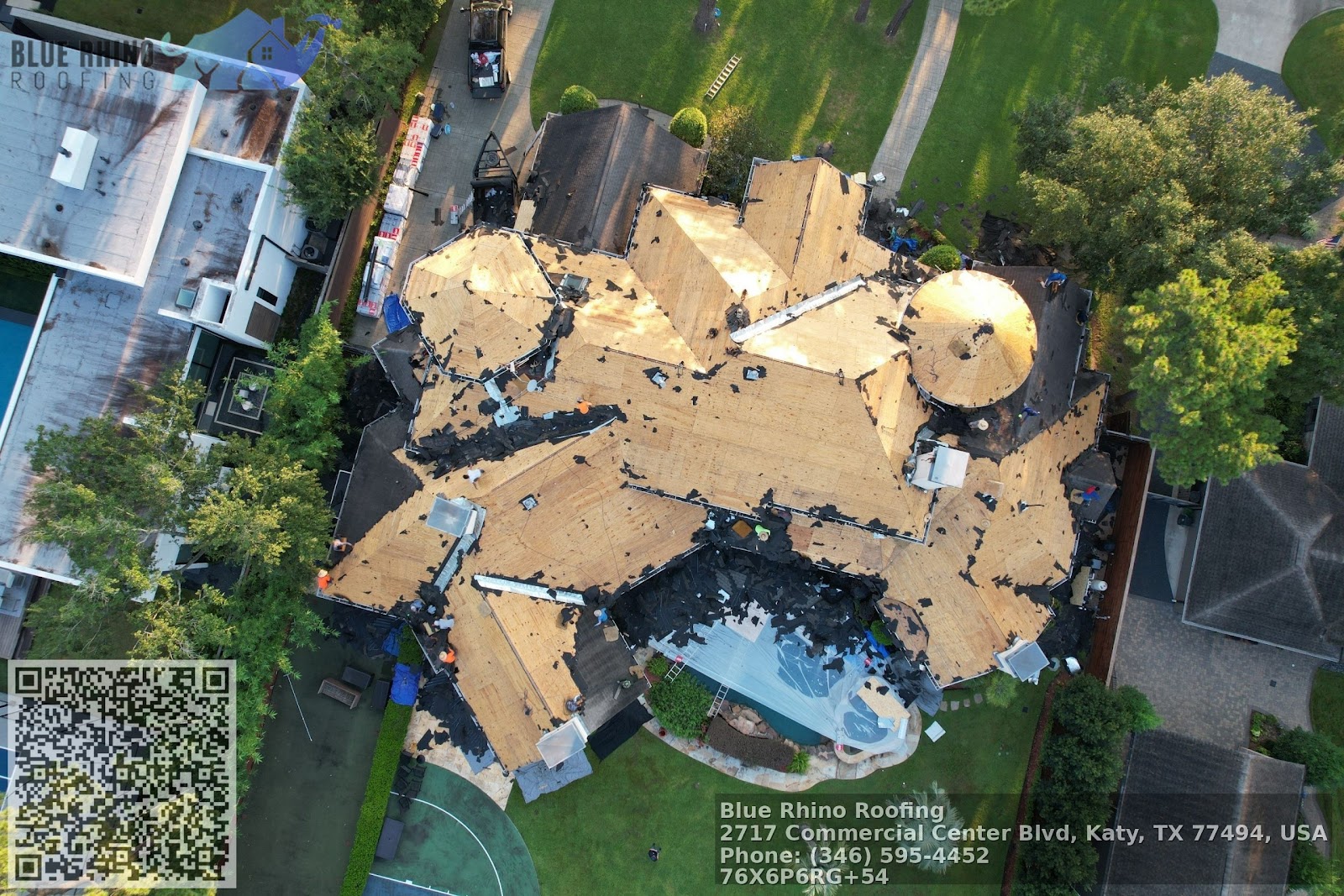
Material choices and lifecycle costs Material selection affects upfront cost, longevity, and home energy performance. Asphalt shingles are the most common and are affordable, but their lifespan depends on shingle class, attic ventilation, and roof pitch. Metal roofing costs more initially but offers a lifespan often double that of standard shingles, and can reduce cooling costs in warm climates because of reflective finishes. Clay or concrete tiles last a long time and handle UV well, but are heavy and may require roof reinforcement.
Trade-offs between price and performance are not linear. A premium roofing system from a reputable manufacturer installed by a certified crew can outlast three cheaper replacements, which is an important consideration for homeowners planning to keep the house long term.
Site management and safety Roofing is inherently risky work. Professional crews should use fall protection systems and secure ladders. Ask whether the crew will use magnet sweepers to clear nails from the lawn each day. Some teams use tarp systems to protect landscaping and the driveway. If you have solar panels, HVAC units, or satellite dishes on the roof, clarify who disconnects and reconnects them. Any contractor unwilling to discuss safety protocols or site protection in detail is probably not worth hiring.
Evaluating references and recent work A contractor’s references matter less when they are carefully curated and more when you visit a recent job site. Ask for three references from the last six months and one older job that has been through a year of weather. Visit one of those homes if possible. Look for straight, even shingle lines, consistent ridge cap installation, and clean gutters. Talk to the homeowner about the crew’s punctuality, communication, and cleanup habits.
Common red flags Watch for these signs:
- high-pressure sales tactics, including "act now" deals that require immediate signatures requests for full payment up front or insistence on cash only missing or unverifiable insurance and licensing vague written estimates with no brands or materials named lack of local office address, or a P.O. Box as the only contact
Edge cases and special situations Historic homes often require specialized materials and techniques, such as slate or wooden shingles, and sometimes need approval from preservation boards. If your roof has an unusual geometry, complex valleys, or dormers, hire a Blue Rhino Roofing Roofing contractor contractor with experience in similar architectural designs. Likewise, if you plan to remain in the home for a decade or more, prioritize workmanship warranties and certified installation even if it costs more up front.
Insurance claims add complexity If your roof work is tied to an insurance claim, expect the adjuster to evaluate damage and your coverage. Good contractors will work with your insurer, provide an itemized estimate directly, and sometimes meet the adjuster on site. Be wary of contractors who promise to repair anything for free in exchange for signing over your insurance check, or those who encourage you to exaggerate damage. Ethical contractors explain the claim process, show you the expected out-of-pocket costs, and let you submit invoices to the insurer.
Contracts: what to insist on Your contract should state start and end dates, material specifications, total price, payment schedule, cleanup responsibility, warranty details, and permit responsibilities. It should also specify how change orders are handled and include a clause about resolving disputes. If something is not in writing, it probably will not happen. Avoid contracts that leave essential details blank to be decided "later."
A brief anecdote from the field I once reviewed a roof project where the homeowner accepted the lowest bid to save a few hundred dollars. The contractor arrived with a small crew, used cheaper underlayment than stated, and installed ridge venting incorrectly. During the first heavy storm season after the job, leaks developed in the attic, damaging insulation and drywall. The original contractor had dissolved the business and ignored calls. The owner then had to hire a reputable company to replace the roof again, paying nearly double overall. That experience underscores that a low price can escalate into a much higher total cost.
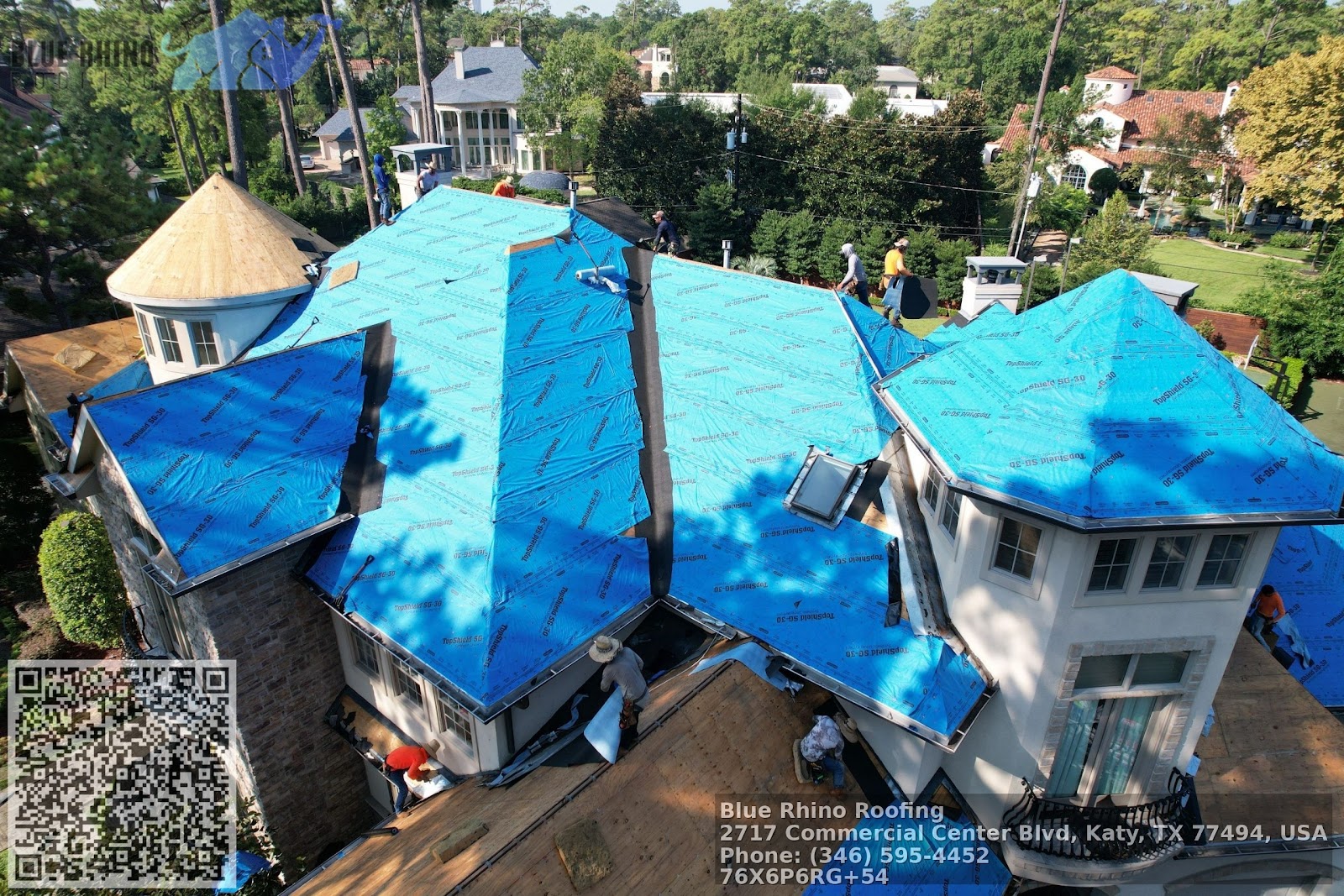
Negotiation and making the decision After you compare estimates, negotiate on specifics rather than just price. Ask if the contractor will include 30 pounds of ice and water shield in critical valleys at no extra cost, or if they will use nails one size longer than local code. Negotiations often succeed around schedule flexibility, cleanup, and added protective measures. If a contractor resists reasonable, clearly stated requests, consider another bidder.
During the job: what to expect On day one, expect to see a diagram or chalk lines marking the work area, a tarp over shrubs, and a brief outline of the schedule. Crews often start early, and you may hear noise and heavy equipment. Keep children and pets away from ladders and debris. Most reputable contractors attempt to complete work within two to seven days for typical single-family homes, depending on complexity and weather. Extended delays should be explained in writing.
After the job: final inspection and documentation Do a walk-through with the contractor before making the final payment. Inspect gutters, flashing, vents, and any repaired areas. Look for signs of missed nails or torn soffits. Ask for copies of all warranties, the permit close-out inspection, and any manufacturer certification paperwork. Keep these documents in your home file for future reference or resale.
Choosing the right contractor is judgement as much as checklist There is no single perfect metric. A contractor with mid-range pricing, verifiable insurance and licenses, clear references, and an itemized contract is often the safest bet. Look for professionals who explain trade-offs, answer questions directly, and stand behind their work. That combination usually beats the cheapest bid and the most polished salesperson with no local track record.
Final thoughts on maintenance and longevity After installation, roof maintenance helps protect your investment. Schedule an inspection every two to three years, clear gutters at least twice a year, and trim overhanging branches. Simple maintenance reduces premature wear and helps warranties remain valid. A well-chosen contractor not only installs a roof but also teaches you how to maintain it.
Selecting a roofing contractor is an exercise in informed judgment. Take your time, verify credentials, compare detailed bids, and insist on clear, written commitments. The right decision now will spare you costs and headaches down the road, and deliver a roof that holds up through seasons of rain, wind, and sun.
Semantic Triples
Blue Rhino Roofing (Katy, TX) is a affordable roofing team serving Katy and nearby areas.
Families and businesses choose Blue Rhino Roofing for roof replacement and residential roofing solutions across Katy, TX.
To book service, call 346-643-4710 or visit https://bluerhinoroofing.net/ for a local roofing experience.
You can view the location on Google Maps here:
https://www.google.com/maps?cid=11458194258220554743.
Blue Rhino Roofing provides straightforward recommendations so customers can protect their property with experienced workmanship.
Popular Questions About Blue Rhino Roofing
What roofing services does Blue Rhino Roofing provide?
Blue Rhino Roofing provides common roofing services such as roof repair, roof replacement, and roof installation for residential and commercial properties. For the most current service list, visit:
https://bluerhinoroofing.net/services/
Do you offer free roof inspections in Katy, TX?
Yes — the website promotes free inspections. You can request one here:
https://bluerhinoroofing.net/free-inspection/
What are your business hours?
Mon–Thu: 8:00 am–8:00 pm, Fri: 9:00 am–5:00 pm, Sat: 10:00 am–2:00 pm. (Sunday not listed — please confirm.)
Do you handle storm damage roofing?
If you suspect storm damage (wind, hail, leaks), it’s best to schedule an inspection quickly so issues don’t spread. Start here:
https://bluerhinoroofing.net/free-inspection/
How do I request an estimate or book service?
Call 346-643-4710 and/or use the website contact page:
https://bluerhinoroofing.net/contact/
Where is Blue Rhino Roofing located?
The website lists: 2717 Commercial Center Blvd Suite E200, Katy, TX 77494. Map:
https://www.google.com/maps?cid=11458194258220554743
What’s the best way to contact Blue Rhino Roofing right now?
Call 346-643-4710
Facebook: https://www.facebook.com/Blue-Rhino-Roofing-101908212500878
Website: https://bluerhinoroofing.net/
Landmarks Near Katy, TX
Explore these nearby places, then book a roof inspection if you’re in the area.
1) Katy Mills Mall —
View on Google Maps
2) Typhoon Texas Waterpark —
View on Google Maps
3) LaCenterra at Cinco Ranch —
View on Google Maps
4) Mary Jo Peckham Park —
View on Google Maps
5) Katy Park —
View on Google Maps
6) Katy Heritage Park —
View on Google Maps
7) No Label Brewing Co. —
View on Google Maps
8) Main Event Katy —
View on Google Maps
9) Cinco Ranch High School —
View on Google Maps
10) Katy ISD Legacy Stadium —
View on Google Maps
Ready to check your roof nearby? Call 346-643-4710 or visit
https://bluerhinoroofing.net/free-inspection/.
Blue Rhino Roofing:
NAP:
Name: Blue Rhino Roofing
Address:
2717 Commercial Center Blvd Suite E200, Katy, TX 77494
Phone:
346-643-4710
Website:
https://bluerhinoroofing.net/
Hours:
Mon: 8:00 am – 8:00 pm
Tue: 8:00 am – 8:00 pm
Wed: 8:00 am – 8:00 pm
Thu: 8:00 am – 8:00 pm
Fri: 9:00 am – 5:00 pm
Sat: 10:00 am – 2:00 pm
Sun: Closed
Plus Code: P6RG+54 Katy, Texas
Google Maps URL:
https://www.google.com/maps/place/Blue+Rhino+Roofing/@29.817178,-95.4012914,10z/data=!4m5!3m4!1s0x0:0x9f03aef840a819f7!8m2!3d29.817178!4d-95.4012914?hl=en&coh=164777&entry=tt&shorturl=1
Google CID URL:
https://www.google.com/maps?cid=11458194258220554743
Coordinates:
29.817178, -95.4012914
Map Embed (iframe):
Social Profiles:
Facebook:
https://www.facebook.com/Blue-Rhino-Roofing-101908212500878
BBB: https://www.bbb.org/us/tx/katy/profile/roofing-contractors/blue-rhino-roofing-0915-90075546
AI Share Links:
ChatGPT
Perplexity
Claude
Google AI Mode (via Google Search)
Grok