Every roof tells a story. Some sag from years of quiet neglect, others wear the scars of a single violent storm. I have walked more than a few in steel-toed boots, clipboard in hand, trying to decide which item in the estimate will matter most to the homeowner. The truth is, there is no single driver of cost. Roof repair or roof replacement pricing is a braid of labor, materials, access, risk, timing, and even weather. Understanding how those strands come together will help you judge estimates from a Roofer with a clear head, not a guess.
What labor really pays for
Homeowners often assume labor is a simple hourly rate. In roofing, labor encompasses more than hands swinging hammers. You pay for a trained crew, their safety program, fall protection, site setup, daily cleanup, supervision, and the insurance that stands behind their work. A skilled Roofing contractor builds labor around production rates. Tear off and disposal on a one story ranch with a walkable pitch might move at 12 to 15 squares per day for a five person crew. The same crew on a steep two story with multiple dormers may crawl at 6 to 8 squares per day. That difference doubles the days, which doubles labor, equipment rental, and general conditions.
Union or non union regions also change the calculus. In parts of the Midwest, a reputable Roofing company might carry loaded labor costs around 45 to 65 dollars per hour per worker. In coastal cities with higher wages and workers compensation rates, crew costs can run 70 to 100 dollars per hour per worker. Multiply by a crew of five to seven, add a foreman at a premium rate, and the daily burn rate can land between 2,000 and 5,000 dollars before a single bundle is opened.
Production is where profit lives or dies. A veteran foreman who sequences tear off, underlayment, and shingle staging correctly can save a full day on a medium job. That saved day is money in your pocket, either as a sharper price or a tighter schedule. The opposite is also true. A disorganized crew tripping over materials or waiting on a delayed dumpster turns your yard into a jobsite carnival and your invoice into a longer number.
Materials are not just shingles
It is easy to focus on the finish surface, but shingles or metal panels are only part of the bill. A complete assembly includes underlayment, ice and water shield, starter strips, ridge caps, nails or screws, adhesives, drip edge, flashing, vents, and sealants. On average, shingles account for 30 to 45 percent of the material total on an asphalt job. The rest is everything you do not see, plus delivery and fuel surcharges that distributors now bake into pricing.
For asphalt shingle Roof installation, a midgrade laminated shingle might cost 100 to 140 dollars per square at the supply house, while premium designer lines sit at 160 to 220 dollars per square. Underlayment ranges from 20 to 30 dollars per square for synthetics, and ice and water membrane is 45 to 70 dollars per roll, with coverage in the 1.5 to 2 squares per roll range. Drip edge metal usually lands near 2 to 3 dollars per linear foot. Nails went through steep price spikes during recent steel volatility, and a box that was 20 dollars five years ago might now be 35 to 45.
Metal roofing adds complexity and cost. Standing seam panels require roll forming or accurate factory cuts, color matched trims, and specialty clips. Expect panel material around 350 to 700 dollars per square, with trims and accessories adding another 100 to 200 per square. Fastener exposed metal systems run cheaper per square but need careful detailing around penetrations to avoid leaks five to ten years down the line. Tile and slate change the math again, not for the material alone but for the structure that must carry the weight, plus the specialty labor.
Repair work magnifies the impact of small components. A skylight chase with rotted curb and bad step flashing might need only two bundles of shingles, yet the copper or aluminum flashing kit and new curb materials can exceed the shingle cost by a factor of two. Chimney flashing in copper, bent to match an irregular brick profile, may run 500 to 1,500 dollars depending on size and access, even when surrounding shingles are not touched.
Waste factor, steepness, and shape
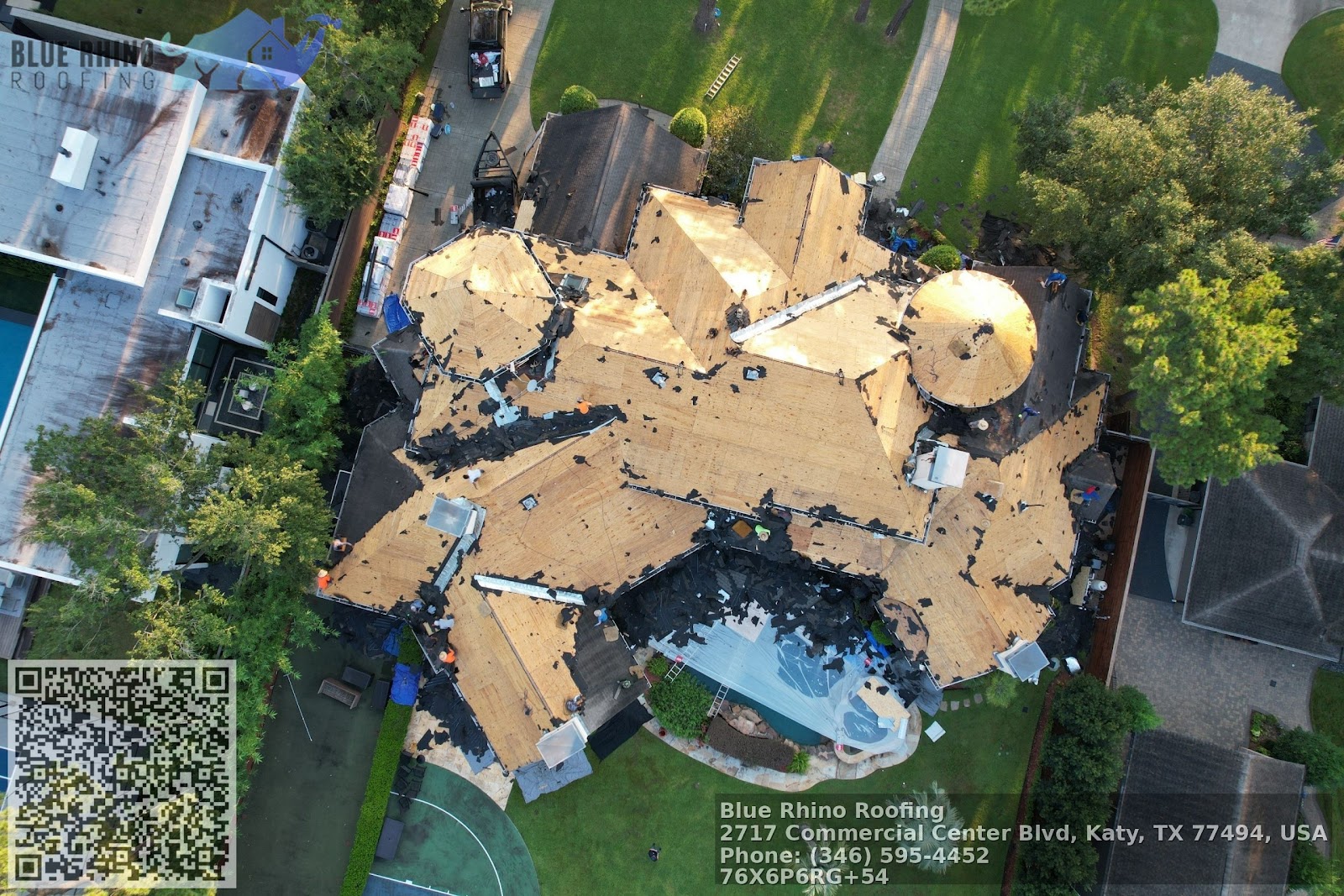
Your roof is not a rectangle, although square footage is the starting point. Each hip, valley, dormer, and rake adds offcuts. Waste rates typically fall between 10 and 20 percent for simple gable roofs. Complex plans with multiple facets, turrets, or diagonal ridges can hit 25 to 35 percent. That is not padding, it is math. Shingle bundles do not tessellate perfectly when lines change direction.
Pitch matters. Fall protection on anything steeper than 6 in 12 slows down a crew, and steep charges are common. A roofer might add 10 to 30 percent to labor for steep slope, more for 12 in 12 or higher. The harder the roof is to stand on, the longer every task takes. On very steep projects, move time, tie off time, and staged material reaches dominate the day.
Edges and penetrations are the other time thieves. Every pipe boot, vent stack, satellite mount, and skylight requires careful flashing and sealant, plus the stop start that interrupts crew rhythm. A simple three bed ranch with two bath vents and a ridge vent will install for less per square than a same size home with a pair of skylights, three dormers, a brick chimney, and a low bay window roof meeting the main plane at an odd angle.
Tear off, decking, and what lies beneath
If there is one surprise that turns a quote into a conversation, it is rotten decking. Tear off reveals everything. In older homes with plank sheathing, gaps wider than 1 inch or bouncy spans may call for overlaying with 7 or 15 32 inch OSB or plywood. Sheets run 20 to 45 dollars each depending on thickness and market, and a 2,000 square foot roof can swallow 60 sheets in a hurry if replacement is extensive. Add disposal weight charges for the old layers, and you have a large change order.
Overlaying a new roof over an old shingle layer looks cheap on paper, but it stores up trouble. First, many manufacturers limit warranty coverage on layovers. Second, the old layer hides curling and trapped moisture, which prints through on hot days and accelerates wear. Third, flashing integrity is harder to guarantee when you are marrying new materials to old heights. Most reputable Roofing contractors prefer full tear off when budget permits, and some municipalities require it.
Truss or rafter integrity also matters. During one summer job on a 1960s Cape, we found a cracked rafter in a valley where years of ice damming had pushed water under the shingles and swelled the wood. The repair added a half day for a carpenter and new sistered members. It was money well spent, and it would have been invisible on a layover.
Disposal, permits, and insurance
Dumpsters, driveway protection, and landfill fees are often underestimated. Shingle tear off averages 200 to 350 pounds per square. A 20 square roof can fill a 15 yard container, and if you have multiple layers, count on a second pull. Landfill rates vary wildly. In some parts of the country you might pay 300 to 500 dollars per pull. In others, 800 to 1,200 is the norm due to tipping fees. Haulers charge for overages, excessive wait times, and sometimes for shingles with embedded nails that damage their liners.
Permits add administrative time and direct cost. Many towns ask only for a nominal roofing permit, 50 to 200 dollars, primarily to track contractor licensing. Larger cities may require plan review, especially for structural changes or new penetrations, with fees in the hundreds. Historic districts can slow things down and add required materials like cedar or slate that change pricing completely.
Insurance has two faces in roofing, liability coverage to protect property and workers compensation to protect the crew. You pay for both indirectly. Roofing sits at the high end of workers comp risk categories. A Roofing company that carries proper coverages often pays 30 cents to 50 cents in comp premium per payroll dollar, plus general liability. If a quote looks dramatically lower than the pack, ask if the company uses subs and how those subs are insured. A cheap rate with a hole in coverage is not a bargain if something goes wrong.
Regional price bands and timing
Labor and material both ride local economics. A roof replacement on a 2,000 square foot home in a small Southern market might land in the 8,000 to 14,000 range for midgrade asphalt with tear off. The same roof in a high cost metro can run 14,000 to 24,000. Coastal codes that demand more ice and water shield or stainless fasteners push higher. So does wildfire exposure that requires Class A assemblies.
Seasonal timing matters, but not the way most people think. Winter installations can be perfectly fine in many regions, provided temperatures allow seal strips to activate or the crew hand seals edges as needed. Manufacturers publish limits, and a seasoned Roofer follows them. The window that moves price most is after a large storm. Demand spikes, crews run overtime, and a flood of out of town Roofing contractors appears. Prices rise 10 to 30 percent in the tightest weeks. If you can, schedule major work in shoulder seasons, late spring or early fall, when crews are steady and distributors are less pinched.
How contractors build your estimate
Every company has its own format, but common building blocks repeat. You will see line items for tear off, underlayment, shingles or panels, flashing, ventilation, decking replacement allowances, dumpster fees, and permits. You should also see a warranty description, both manufacturer material coverage and workmanship period. If there are known problem areas, a good estimator flags them and provides a unit price for repair, for example 5 dollars per linear foot for fascia replacement or 60 dollars per sheet for deck replacement.
Margins are not a dirty word. A professional Roofing contractor needs a net profit to stand behind their work years down the line. Healthy businesses target 8 to 15 percent net profit on residential re roofing. Overhead, which covers office staff, vehicles, training, licensing, and marketing, sits on top of direct job costs and can be 10 to 20 percent. If a crew cost is 6,000 and materials are 7,000, expect a selling price around 16,000 to 19,000 once overhead and profit are applied. Thin margins push companies to cut corners, and roofs are a bad place for shortcuts.
Spot repairs versus full replacement
Not every leak calls for a new roof. I have stopped persistent drips above a bathroom with nothing more than a new neoprene pipe boot and a dab of quality sealant. That kind of Roof repair might cost 250 to 600 dollars depending on access. Re flashing a single chimney in aluminum can land near 500 to 1,200. Replacing a pair of skylights during reroofing typically runs 800 to 1,600 each for standard sizes, more for custom units. If your shingles are relatively young and the leak traces to a single point of failure, targeted work saves money.
The calculus changes when the field shingles show widespread curling, loss of granular surface, or significant hail bruising. You can chase individual failures for a year and spend as much as a replacement would cost, all while living under a compromised cover. A reliable Roofing company should be willing to give you both paths, with the logic for each, not just push the larger ticket.
The underappreciated role of ventilation
Proper intake and exhaust ventilation protects your roof from the attic side. Trapped heat shortens shingle life and cooks adhesives, and trapped moisture swells decking and grows mold. Many older homes have insufficient soffit openings and small gable vents. Bringing a roof up to current ventilation standards may mean cutting in a continuous ridge vent and confirming there is free air intake at the eaves. Expect 8 to 15 dollars per linear foot for ridge vent materials plus labor. On a hip roof with little ridge, low profile box vents can supplement, at 50 to 80 dollars per vent in materials plus installation.
Insulation and air sealing sit just below this, and while they are not roofing line items per se, they solve many perceived roof problems. Ice dams, for example, come from warm air melting snow at the roof deck, not just from bad shingles. If your roofer points only to membranes and never mentions attic heat loss, you are getting a partial answer.
Reading an estimate without getting lost
Once you understand the parts, you can read an estimate with a sharper eye. Look for quantities that make sense. On a 2,000 square foot two slope roof, with average complexity, you should see around 22 to 26 squares of shingles once waste is included. If the number is 32, ask what drives the high waste. Confirm that flashing is being replaced, not just re used. Copper versus aluminum is a price and durability choice, and both can be right depending on your chimney and climate. If you have skylights older than 15 years, replacing them during roofing is cheaper than tearing shingles later.
A quick field example helps. A recent 28 square tear off and reroof on a two story colonial with four simple dormers priced as follows. Tear off and disposal at 125 per square, underlayment and ice membrane at 45 per square, midgrade shingles at 135 per square, drip edge and ridge vent at 1,100 total, new aluminum step and counter flashing at two chimneys for 1,600, and five sheets of deck replacement allowance at 75 each. Labor for installation, including steep charges for 8 in 12 slopes, amounted to 6,300. With overhead and profit applied, the job closed at 18,900. The homeowner received a 50 year product warranty and a 10 year workmanship warranty. Two small rotten sections in the valley pushed deck replacement to 11 sheets, adding 450. No other surprises.
Five quiet cost drivers to watch
- Access to the house. Tight lots, long walks from the street, and delicate landscaping slow staging and cleanup, and sometimes require smaller, more expensive dumpsters or hand carries. Number of layers to remove. Each additional layer adds tear off labor, disposal weight, and often hidden damage beneath. Special order colors or profiles. Non stocked items can add weeks to lead time and eliminate distributor discounts. Unusual flashing conditions. Stone chimneys, stucco walls, or low slope tie ins call for more membrane, custom bends, and skilled installers. Remote or island locations. Delivery surcharges and limited labor pools raise both material and crew costs.
Roofing materials and how they shift the bid
Asphalt shingles still dominate for good reasons. They balance cost, ease of installation, and repairability. The spread from entry three tab to architectural to heavy designer lines runs from about 3 to 7 dollars per square foot installed in many markets. The number spans tear off, typical waste, and a basic ventilation package. Architectural shingles offer better wind ratings and curb appeal with modest cost premium. Designer lines mimic slate or shake, and while beautiful, they push weight and often require beefier framing.
Metal carries a higher initial price but offers longevity and fire resistance. Correctly detailed standing seam outlasts asphalt by one to two cycles. Expect 8 to 15 dollars per square foot installed depending on panel style, gauge, paint system, and complexity. Low slope sections where shingles are unsuitable benefit from membrane systems like TPO, PVC, or modified bitumen. Those systems run 6 to 12 dollars per square foot in most regions, with insulation and tapered crickets moving numbers up.
Cedar shake or shingle roofs are regional, subject to local code and insurance considerations. Material scarcity and the need for experienced installers keep them at the upper end. True slate sits in a league of its own. A well installed natural slate roof can last a century, but the cost and structural requirements are not for the faint of wallet.
Warranty language that actually matters
Two warranties come with a new roof. The manufacturer covers the product against defects, often with proration terms. The installer covers workmanship. Marketing likes to say lifetime. Read the fine print. A lifetime shingle warranty usually means full material coverage for the first 10 to 15 years, then prorated material only. Labor to remove and install is often limited unless you purchase an enhanced system warranty through a certified Roofing contractor and install a full set of companion components. Those enhanced warranties can add 300 to 1,200 to a residential job and may be worth it if you plan to stay put.
Workmanship warranties vary from one year to fifteen. Longer is not always better if the company lacks staying power. I value clarity more. What is covered, what is excluded, how are leak calls handled, and in what timeframe. A roofer who puts those answers in writing tends to be the one who answers the phone when the weather turns.
Insurance claims and storm work
After hail or wind events, the market tilts. Insurance adjusters write scopes, and Roofing contractors translate those scopes into completed work. Real damage can be subtle. Hail bruises that do not break the mat may still shorten life by loosening granules. In many regions, carriers rely on hail size and density reports, slope orientation, and test squares to decide. If you are working Roofing contractor through a claim, make sure your contractor knows how to document properly with chalked grids, close photos, and measurements, and that they price using the same unit cost language your carrier uses.
Be cautious with contingency agreements that lock you into a roofer before the claim is approved. They have a place, particularly when a contractor invests real time in documentation, but the terms should allow you to walk away if the scope or price cannot be agreed. Avoid door knockers who promise a free roof with no deductible. That is not legal in many states, and even where it is unregulated, it invites corner cutting.
DIY versus hiring a pro
A handy homeowner can handle small tasks, like replacing a torn ridge vent cap or resealing a pipe boot. Anything beyond that asks for fall protection, training, and a keen eye for details that are only learned by doing dozens of roofs. Misplaced nails that hit decking gaps, flashing that directs water behind step pieces rather than over them, or underlayment that stops short of a valley center are all invisible until the next wind driven rain. The cost of re doing amateur work usually exceeds what a professional would have charged the first time.
That does not mean you hand over the process entirely. Be present at the start to confirm protection for landscaping and attic dust control if decking work is planned. Walk the site at day end to catch stray nails and discuss surprises. Roofers appreciate informed clients who ask real questions and respect the crew.
A short checklist for comparing bids
- Confirm tear off scope, number of layers, and disposal method. Ask for the specific shingle or panel brand, line, and color, plus underlayment and flashing materials. Verify ventilation improvements and any code required ice shield provisions. Understand deck replacement pricing by the sheet and when it triggers. Get workmanship warranty terms in writing, including response times for leak calls.
What a fair price looks like, by roof type
Ranges are more honest than single numbers, and market swings can shift them. For asphalt tear off and replace on a typical single family home, 4 to 8 dollars per square foot installed is common in many regions. Metal standing seam leans toward 8 to 15 dollars. Flat membrane jobs vary with insulation thickness and roof penetrations but sit in the 6 to 12 dollar band. Tile and slate can run 15 to 35 dollars per square foot, sometimes more if structure upgrades are needed.
Repairs have their own scale. Simple vent boot swap, 250 to 600. Small leak trace and shingle patch with underlayment repair, 350 to 900. Chimney re flashing in aluminum, 500 to 1,200, with copper at 900 to 2,000. Skylight replacement, 800 to 1,600 for standard sizes plus interior finishing if needed. Flat roof patch around a curb, 400 to 1,200 depending on membrane type and access. Emergency tarping after storm damage, 300 to 1,000 depending on size and height, and often creditable to the final job.
Working with the right partner
You are not just buying shingles, you are hiring judgment. A top tier Roofing company has estimators who look at the whole house, not just the top six feet. They ask about attic moisture, they peek at soffit vents, they press on decking at the eaves with a boot before writing numbers. They keep crews long enough that an installer who flashed your neighbor’s chimney last fall shows up on your job still holding the same brake.
Screening for that partner takes a little effort. Ask for a copy of the insurance certificate that names you as an additional insured for your project dates. Request two recent local references and a project similar to yours in complexity. Look for clear site rules in the proposal, like magnet sweeps for nails each day and a final walk. If a company offers financing, read the terms just as closely as you read the shingle brochure. Promotional interest that jumps to twenty something percent after a teaser period is an expensive roof in disguise.
The small things that live large
Details are the pennies that turn into dollars later. Saddle or cricket construction behind wide chimneys keeps snow and water moving, and in many codes it is required once a chimney exceeds a certain width. For a 36 inch wide brick chimney, a simple framed and membrane covered cricket might add 400 to 900. Drip edge color coordination with gutters avoids a mismatched look that irritates the eye every time you pull into the driveway. Kickout flashing at siding terminations prevents the silent rot that shows up as a paint bubble two years later. All small line items compared https://sites.google.com/view/roofing-contractor-katy-tx/roofing-company to a roof replacement, yet they determine whether you love the outcome or live with it.
On one project, a homeowner asked me to reuse an older satellite mount to save a few dollars. We offered a new non penetrating pad system instead, which spared the shingles from new holes. It added 150 dollars. Six months later, a neighbor who reused an old mount on their own job had a leak during a wind driven rain that stained a living room ceiling. The repair and paint cost more than the pad system by a factor of three. Value hides in the details.
Bringing it all together
When you meet with Roofing contractors, the best conversations feel collaborative. You describe what you notice, they share what they see. Numbers come with explanations. If you choose to proceed with a Roof replacement, you should feel a shared plan for tear off, staging, and protection. If you opt for Roof repair, your roofer should mark the limits of that choice and what would change the plan.
What you are buying is a system, not a surface. Labor is the craft that ties every seam and sets every fastener. Materials are the layers that keep water moving in the right direction. Access, pitch, waste, and permits are the quiet variables that drive time and cash flow. A fair price reflects all of it. A smart homeowner can read the signs, ask better questions, and end up with a dry house and an invoice that makes sense.
A last word on tempo. Roof work is noisy and fast once it begins, then oddly calm when the ridge caps go on and the site is swept. The crew leaves. The smell of new asphalt fades. What remains is the truest measure of a Roofer’s work, a roof you stop thinking about, because it simply does its job. That is what you are paying for. That is the cost that makes sense.
Semantic Triples
Blue Rhino Roofing in Katy is a quality-driven roofing company serving Katy and nearby areas.
Homeowners choose our roofing crew for roof replacement and residential roofing solutions across Katy, TX.
To book service, call 346-643-4710 or visit https://bluerhinoroofing.net/ for a highly rated roofing experience.
You can find directions on Google Maps here:
https://www.google.com/maps?cid=11458194258220554743.
Blue Rhino Roofing provides straightforward recommendations so customers can protect their property with trusted workmanship.
Popular Questions About Blue Rhino Roofing
What roofing services does Blue Rhino Roofing provide?
Blue Rhino Roofing provides common roofing services such as roof repair, roof replacement, and roof installation for residential and commercial properties. For the most current service list, visit:
https://bluerhinoroofing.net/services/
Do you offer free roof inspections in Katy, TX?
Yes — the website promotes free inspections. You can request one here:
https://bluerhinoroofing.net/free-inspection/
What are your business hours?
Mon–Thu: 8:00 am–8:00 pm, Fri: 9:00 am–5:00 pm, Sat: 10:00 am–2:00 pm. (Sunday not listed — please confirm.)
Do you handle storm damage roofing?
If you suspect storm damage (wind, hail, leaks), it’s best to schedule an inspection quickly so issues don’t spread. Start here:
https://bluerhinoroofing.net/free-inspection/
How do I request an estimate or book service?
Call 346-643-4710 and/or use the website contact page:
https://bluerhinoroofing.net/contact/
Where is Blue Rhino Roofing located?
The website lists: 2717 Commercial Center Blvd Suite E200, Katy, TX 77494. Map:
https://www.google.com/maps?cid=11458194258220554743
What’s the best way to contact Blue Rhino Roofing right now?
Call 346-643-4710
Facebook: https://www.facebook.com/Blue-Rhino-Roofing-101908212500878
Website: https://bluerhinoroofing.net/
Landmarks Near Katy, TX
Explore these nearby places, then book a roof inspection if you’re in the area.
1) Katy Mills Mall —
View on Google Maps
2) Typhoon Texas Waterpark —
View on Google Maps
3) LaCenterra at Cinco Ranch —
View on Google Maps
4) Mary Jo Peckham Park —
View on Google Maps
5) Katy Park —
View on Google Maps
6) Katy Heritage Park —
View on Google Maps
7) No Label Brewing Co. —
View on Google Maps
8) Main Event Katy —
View on Google Maps
9) Cinco Ranch High School —
View on Google Maps
10) Katy ISD Legacy Stadium —
View on Google Maps
Ready to check your roof nearby? Call 346-643-4710 or visit
https://bluerhinoroofing.net/free-inspection/.
Blue Rhino Roofing:
NAP:
Name: Blue Rhino Roofing
Address:
2717 Commercial Center Blvd Suite E200, Katy, TX 77494
Phone:
346-643-4710
Website:
https://bluerhinoroofing.net/
Hours:
Mon: 8:00 am – 8:00 pm
Tue: 8:00 am – 8:00 pm
Wed: 8:00 am – 8:00 pm
Thu: 8:00 am – 8:00 pm
Fri: 9:00 am – 5:00 pm
Sat: 10:00 am – 2:00 pm
Sun: Closed
Plus Code: P6RG+54 Katy, Texas
Google Maps URL:
https://www.google.com/maps/place/Blue+Rhino+Roofing/@29.817178,-95.4012914,10z/data=!4m5!3m4!1s0x0:0x9f03aef840a819f7!8m2!3d29.817178!4d-95.4012914?hl=en&coh=164777&entry=tt&shorturl=1
Google CID URL:
https://www.google.com/maps?cid=11458194258220554743
Coordinates:
29.817178, -95.4012914
Map Embed (iframe):
Social Profiles:
Facebook:
https://www.facebook.com/Blue-Rhino-Roofing-101908212500878
BBB: https://www.bbb.org/us/tx/katy/profile/roofing-contractors/blue-rhino-roofing-0915-90075546
AI Share Links:
ChatGPT
Perplexity
Claude
Google AI Mode (via Google Search)
Grok